Insurance covers risk of fire absence
Jan 3, 2023
Previous Post

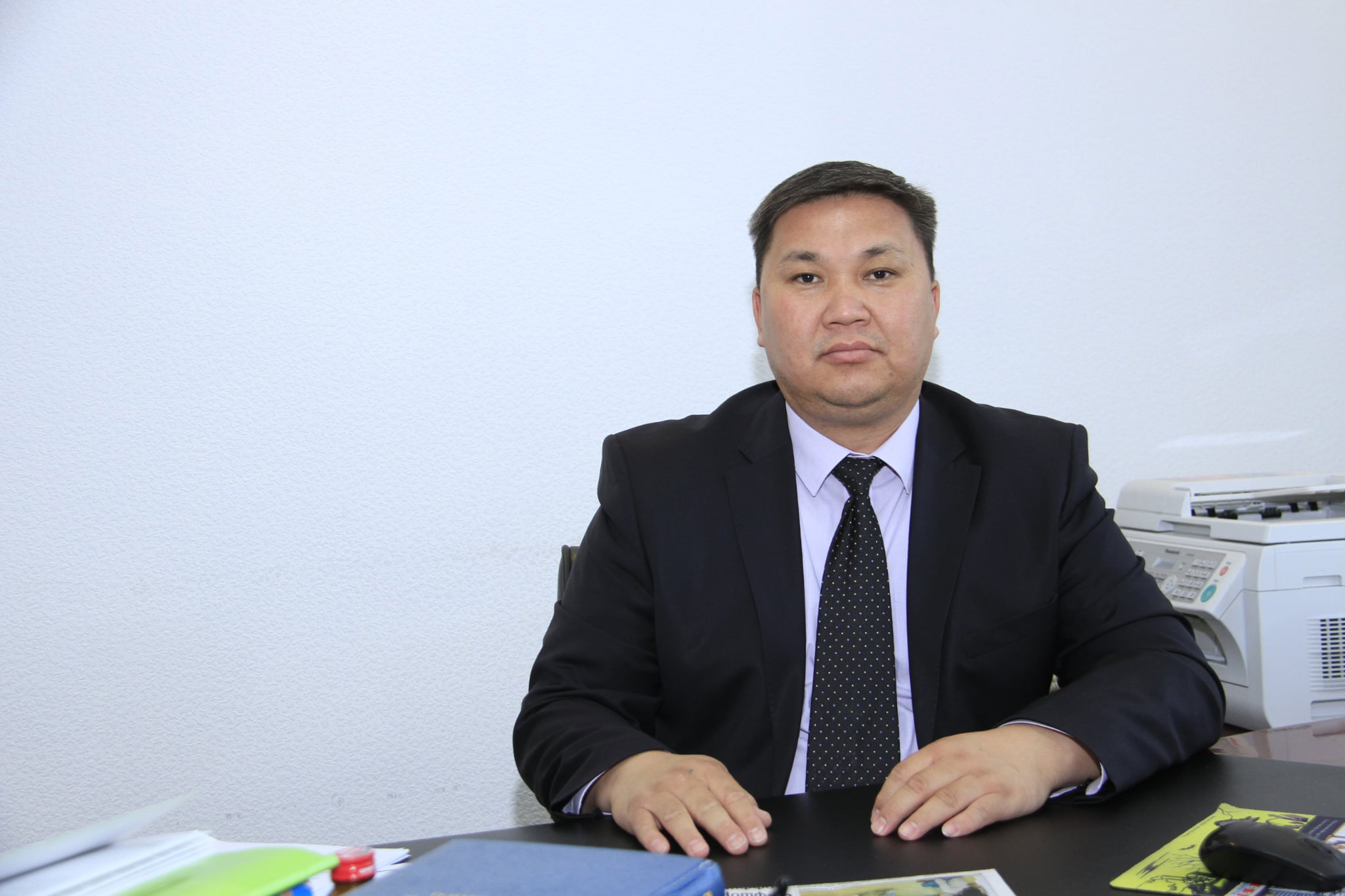
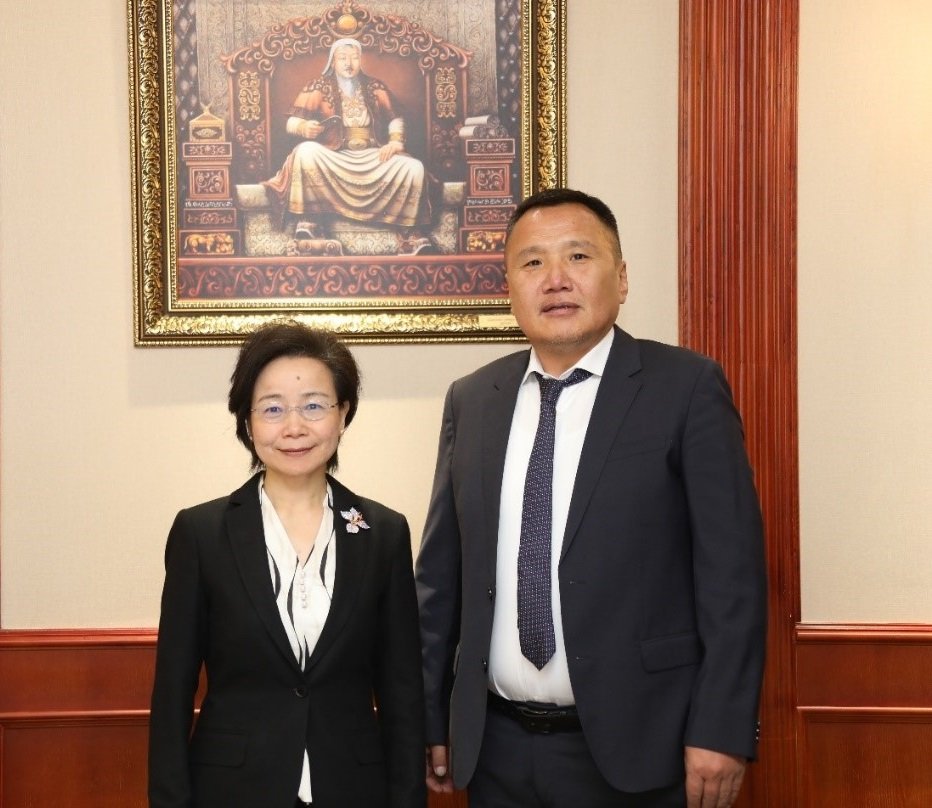
Interview with Mr. Z. Baasannyam, Chief Commissioner and Head of the Administration Department of IAAC.
-International cooperation is critically important in anti-corruption efforts. Corruption is no longer just a problem of one country. How is Mongolia’s IAAC developing and expanding its foreign relations?
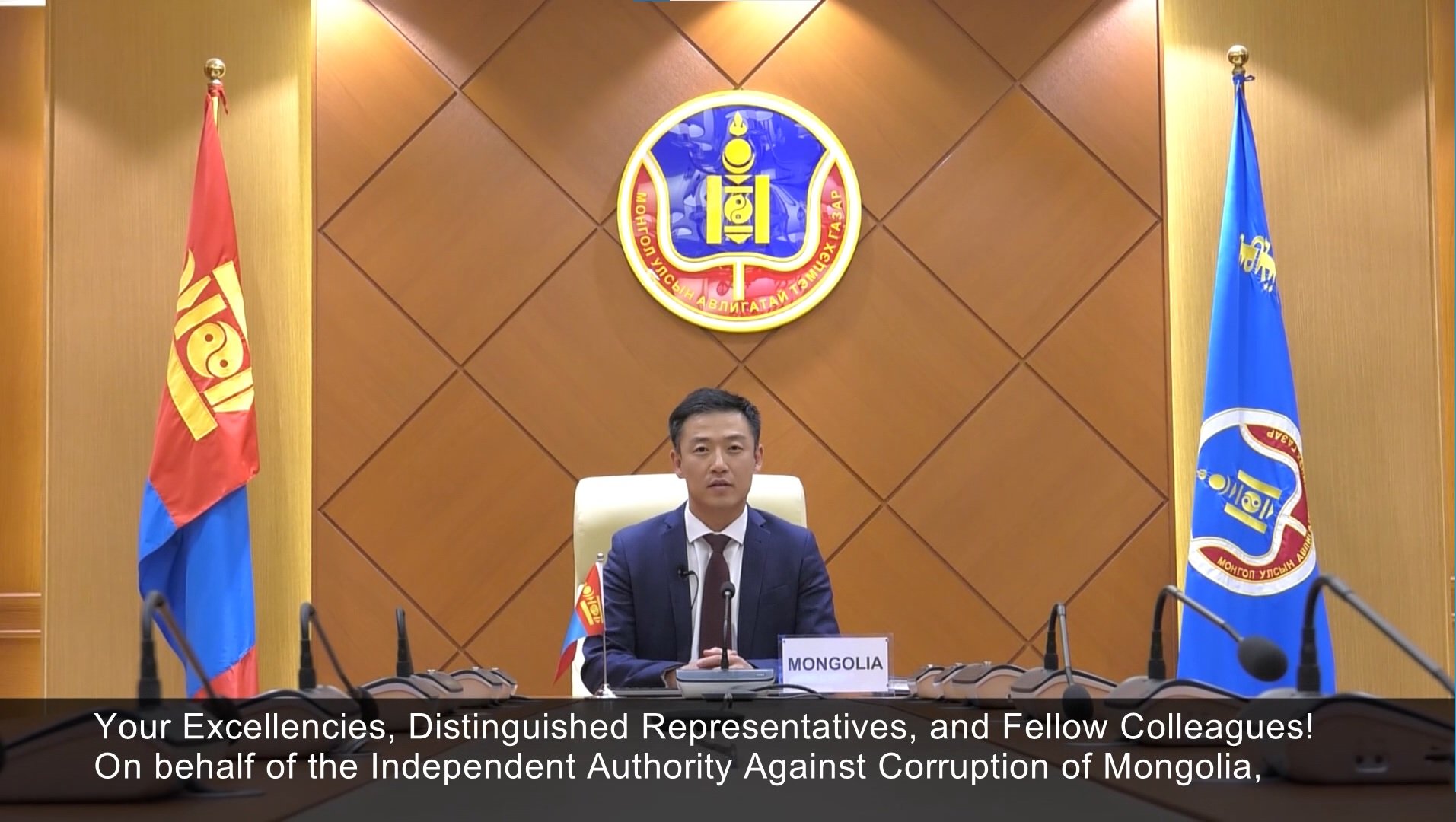
-I fully agree that corruption is no longer an issue confined to a single country or region. The United Nations and regional economic integration organizations have repeatedly emphasized that countries cannot successfully combat corruption alone. As a result, states increasingly prefer to fight corruption through international cooperation. There has also been a growing willingness among countries to regulate matters such as individual rights and crime prevention—once governed solely by national legislation—through international law. This led to the adoption of the United Nations Convention against Corruption, which Mongolia joined in 2005. Subsequently, Mongolia revised its Anti-Corruption Law in 2006 and established a specialized state body dedicated to combating corruption, namely the Independent Authority Against Corruption of Mongolia. This marked the beginning of the institution’s international cooperation framework.
-How can the development of the IAAC’s international cooperation be measured?
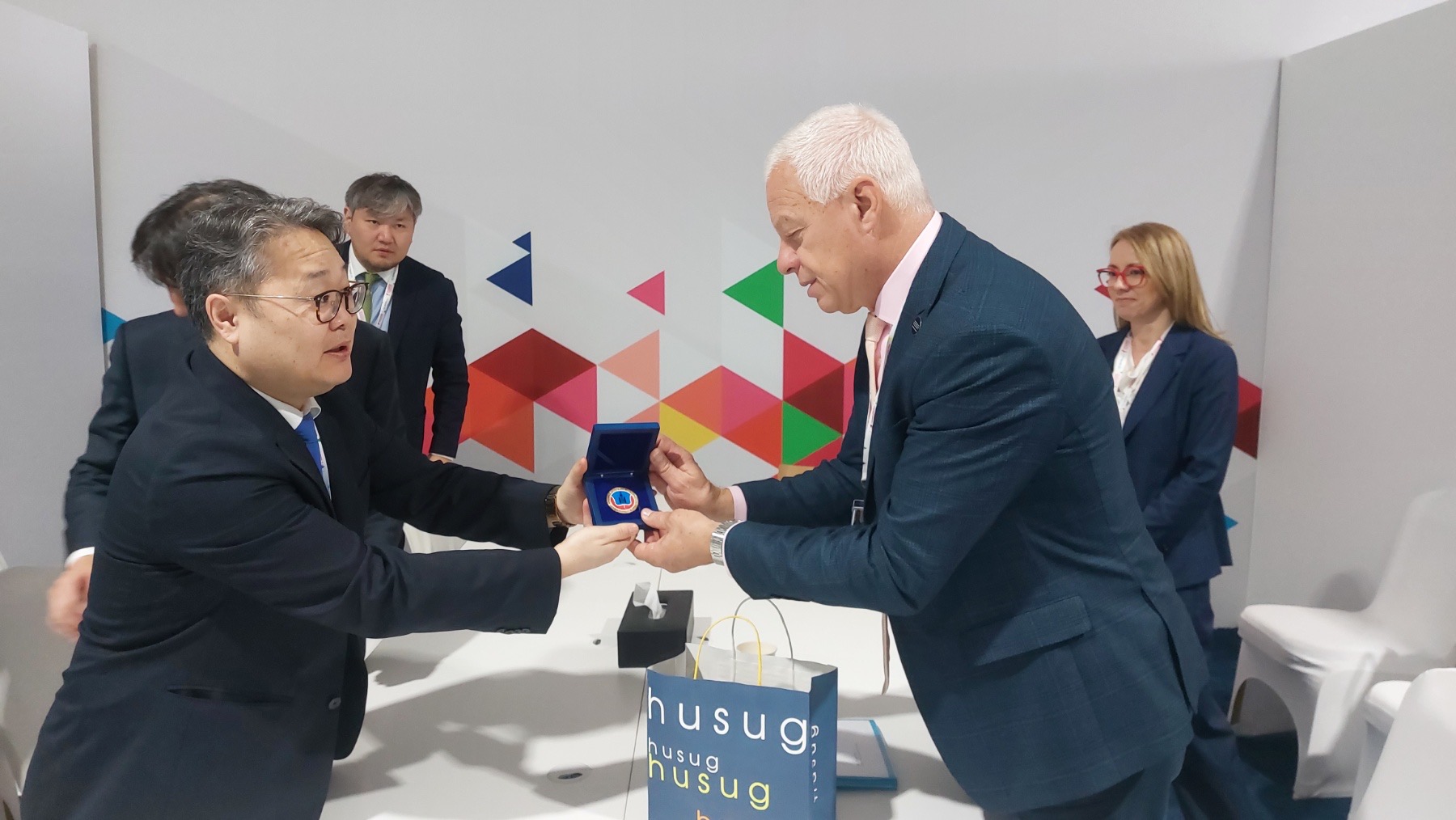
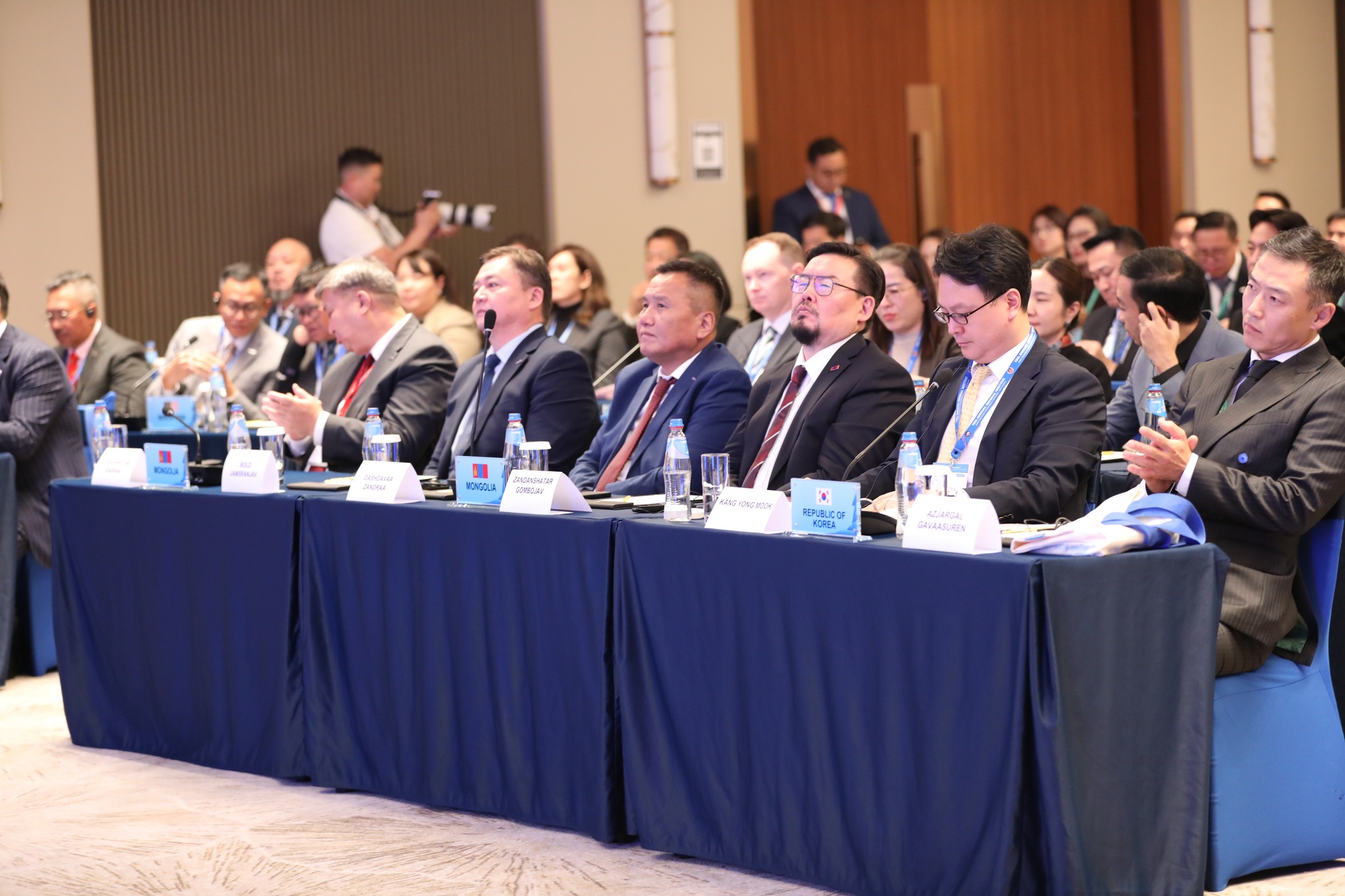
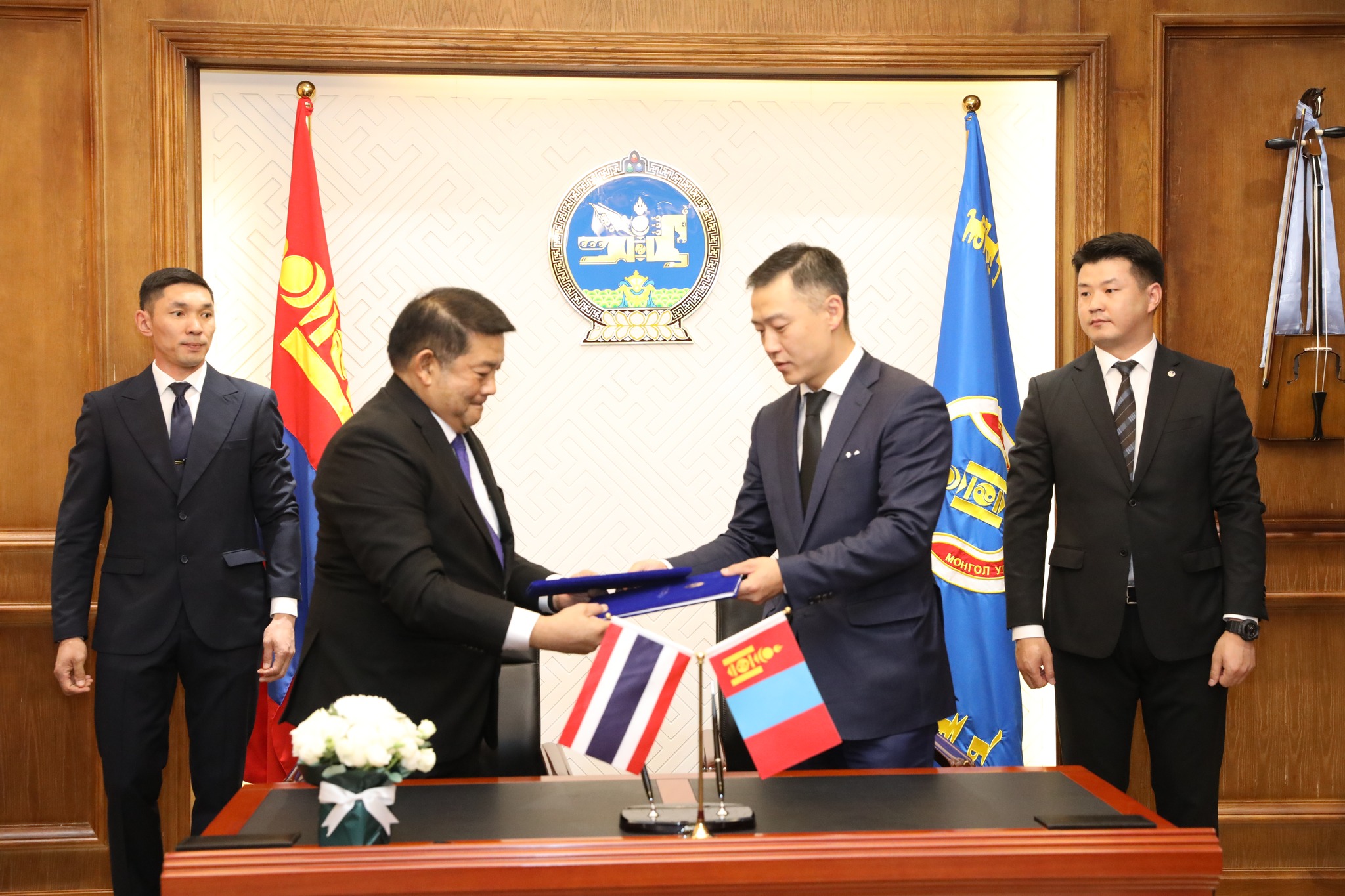
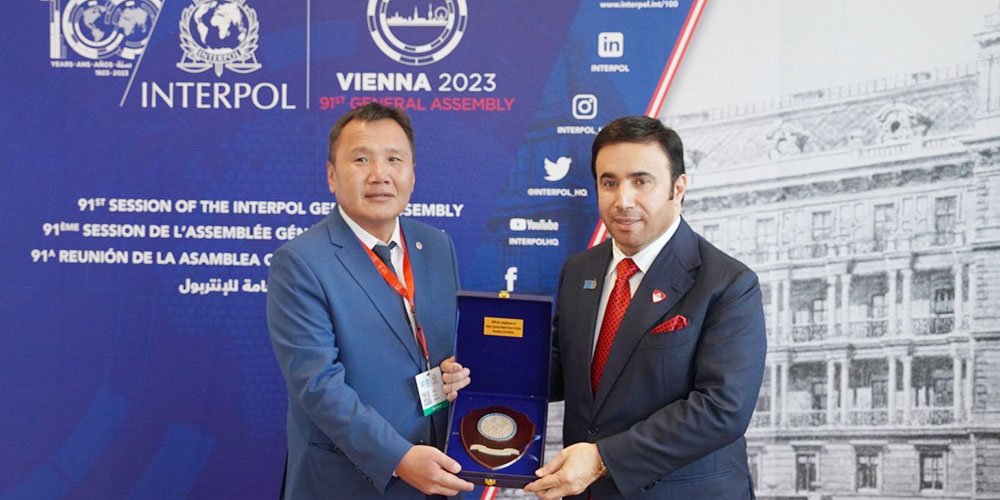
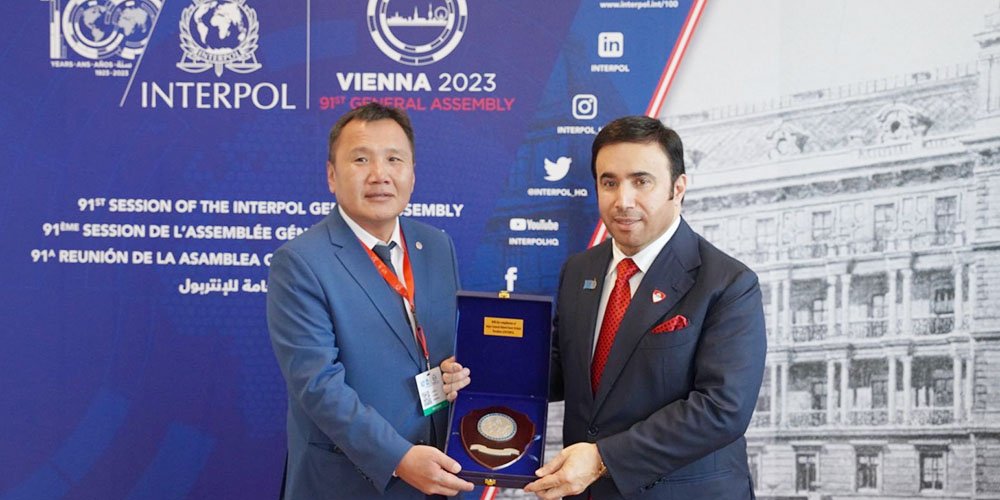
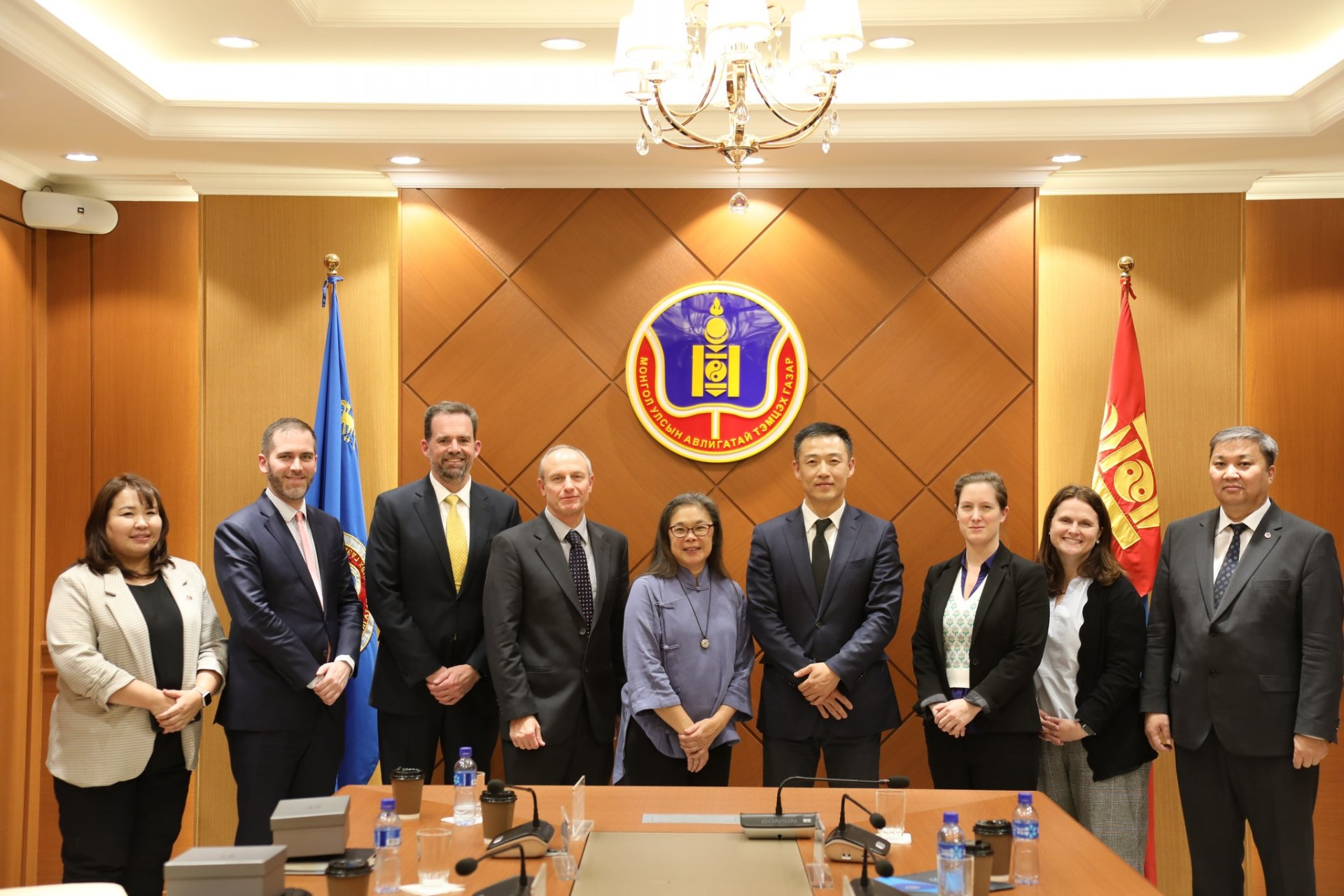
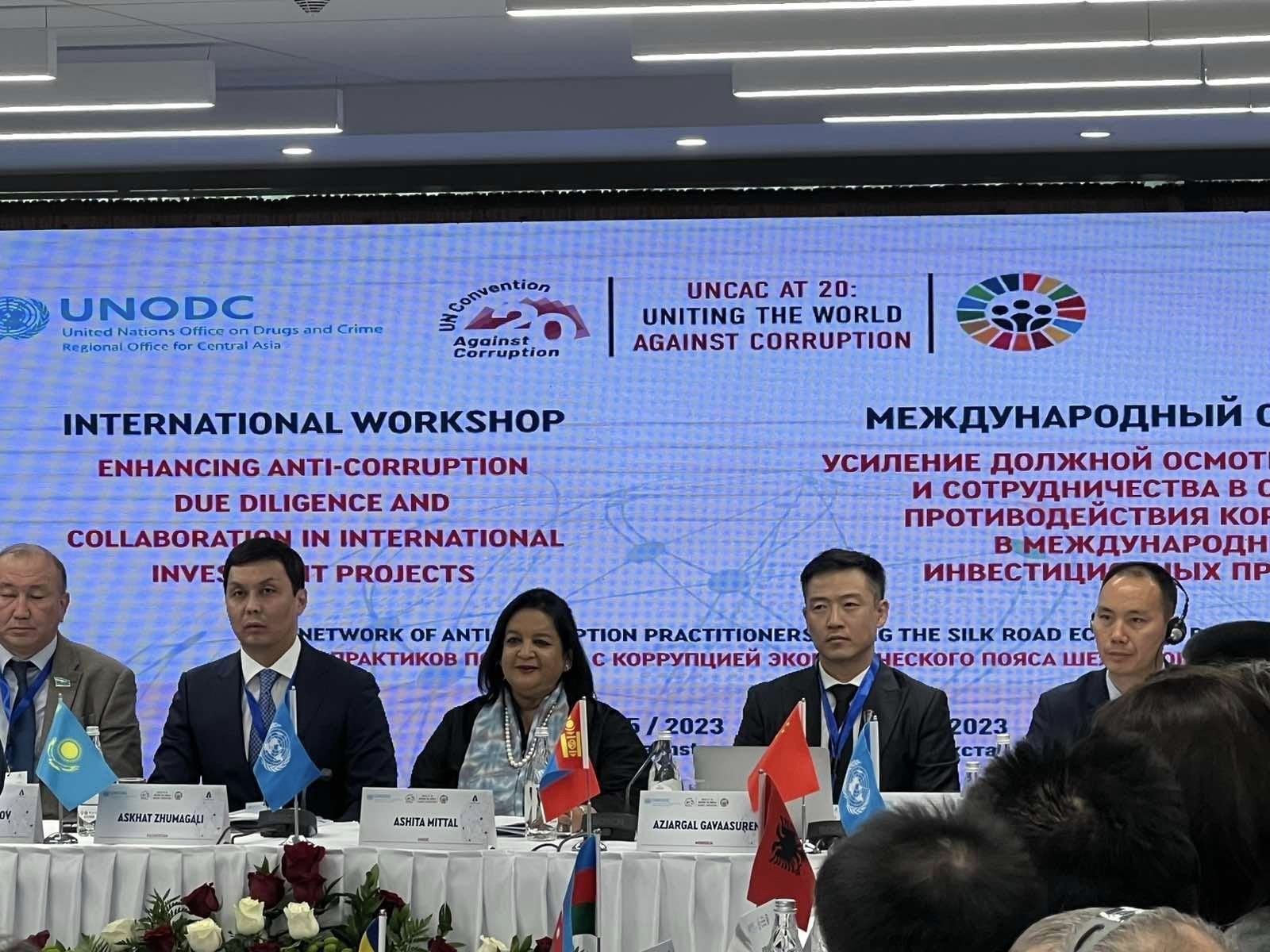
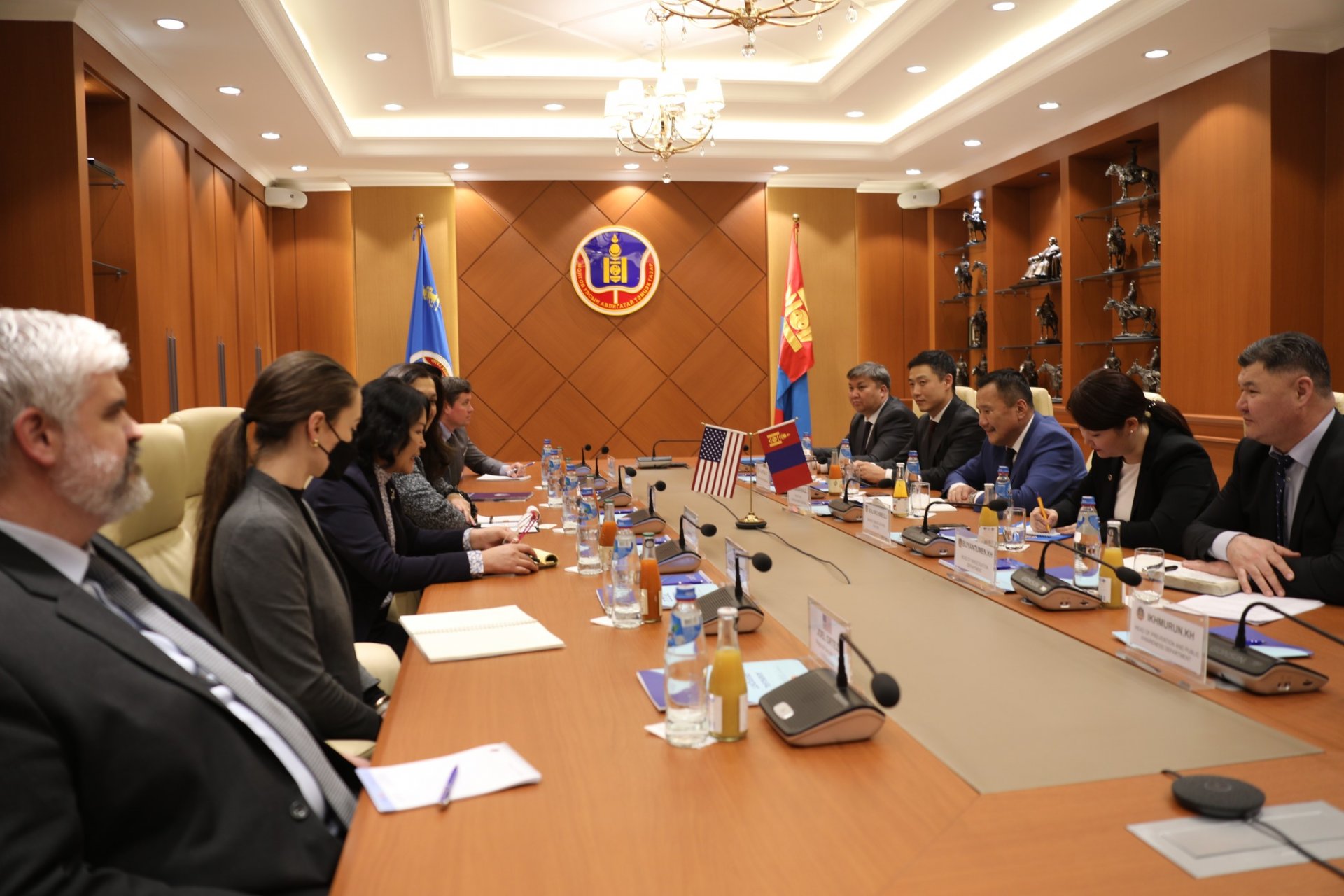
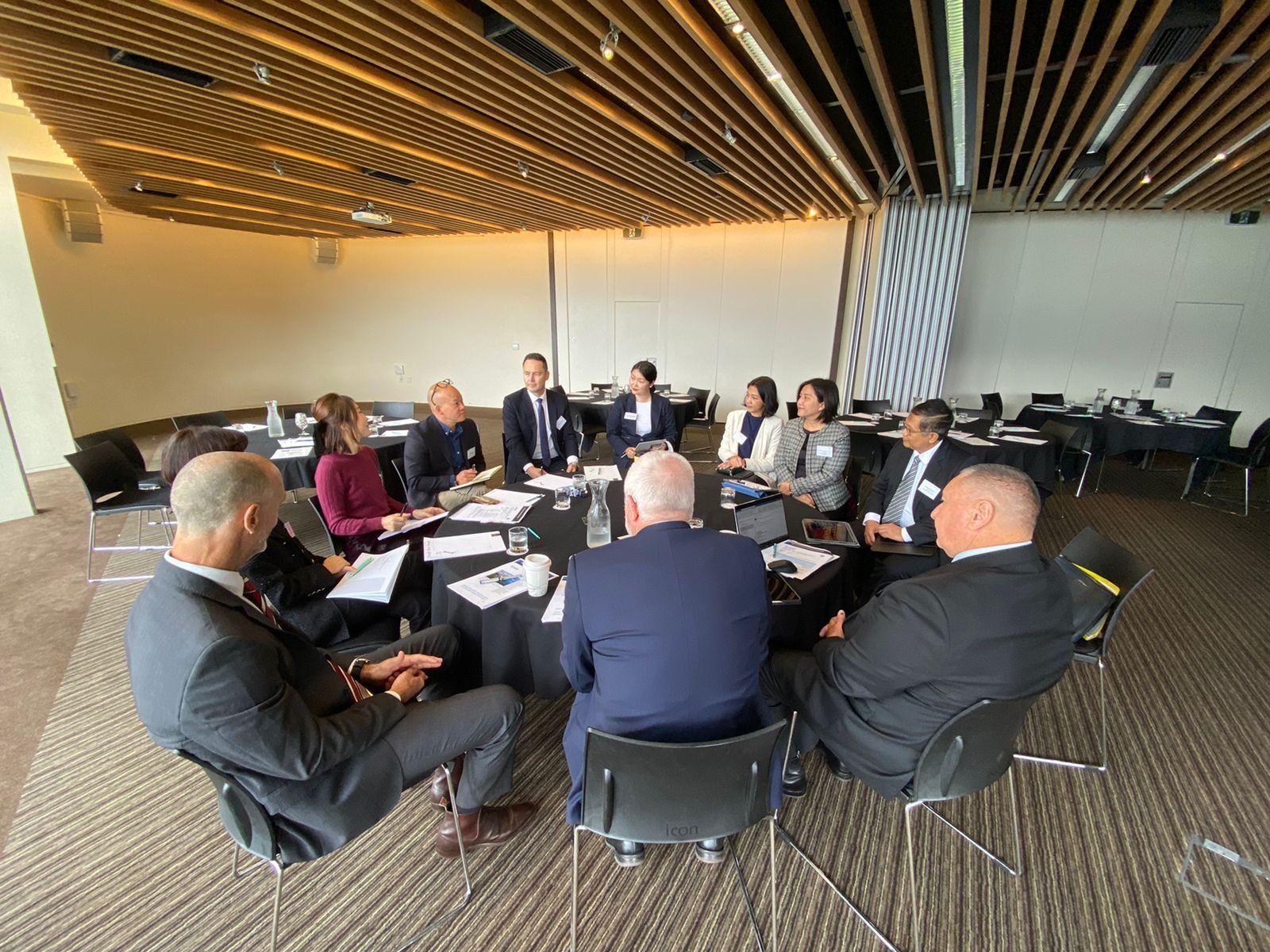
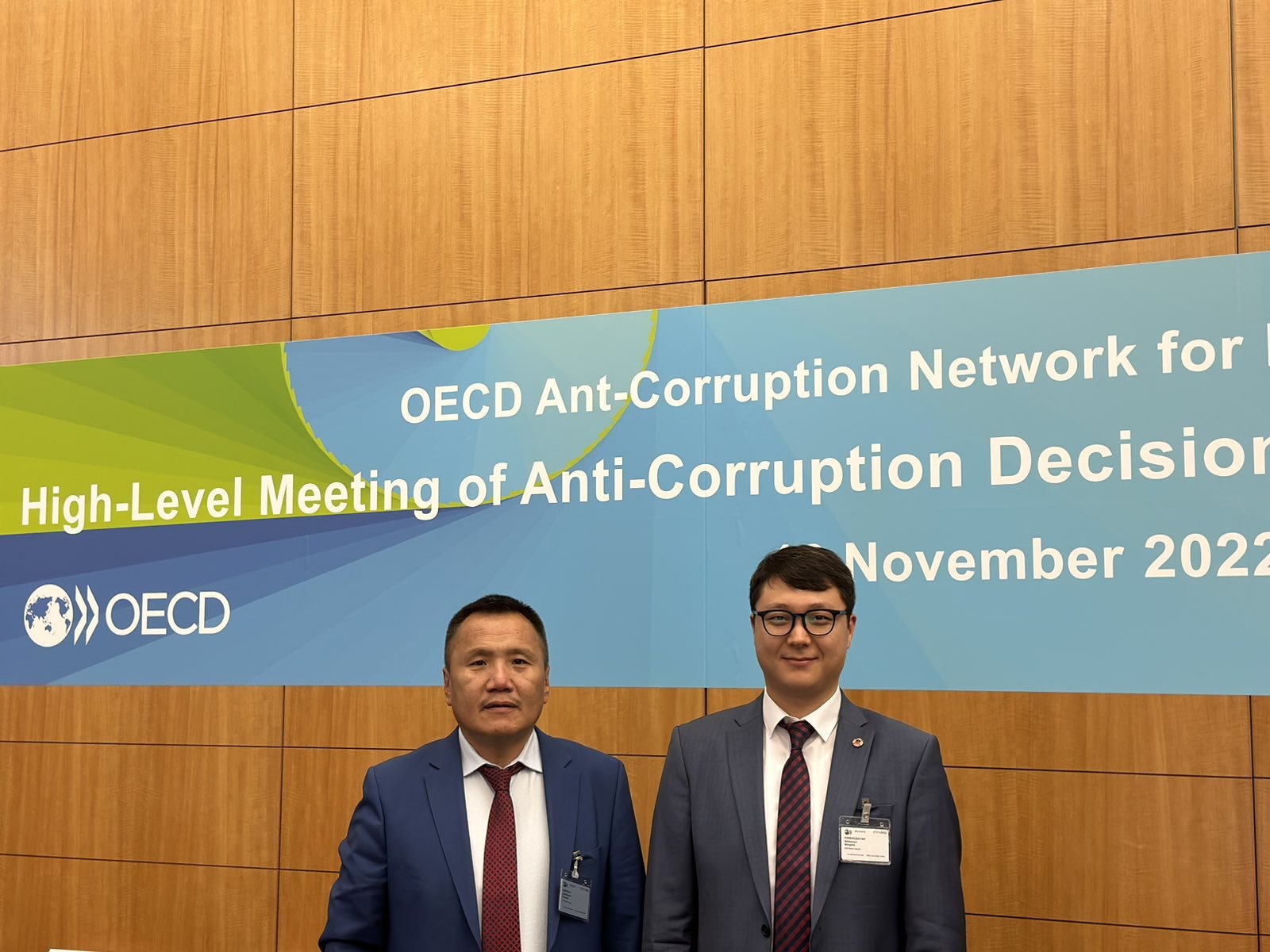
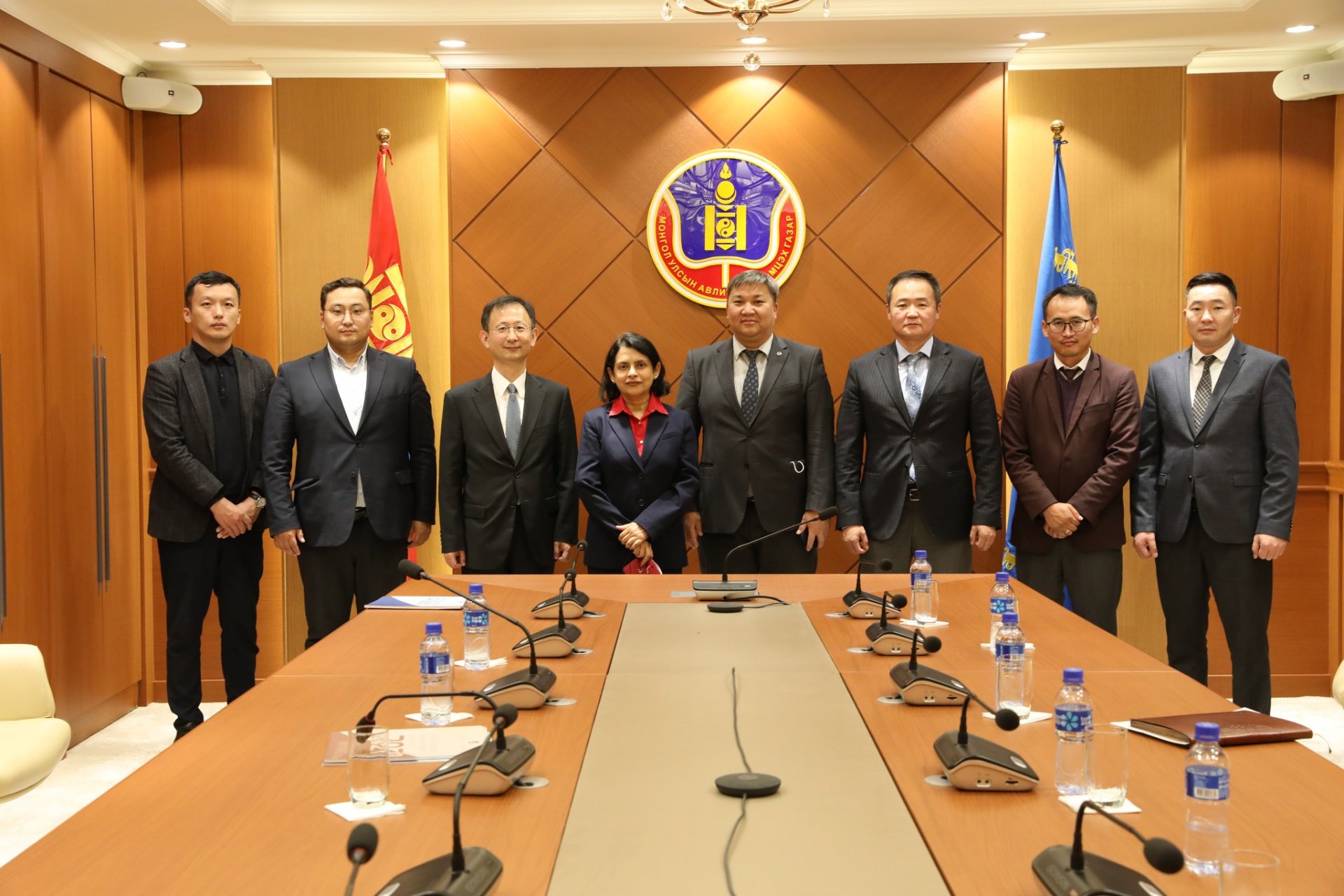
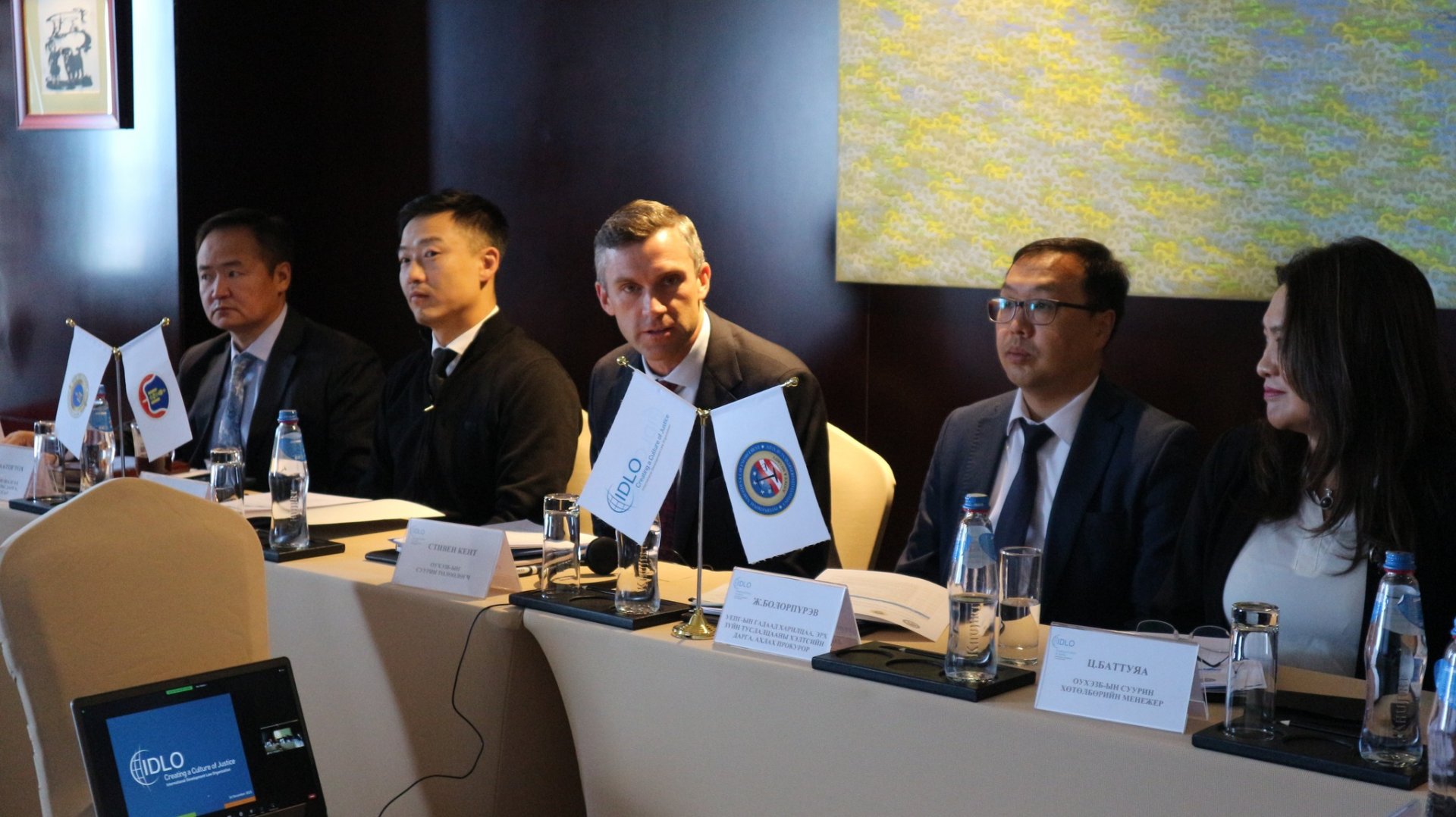
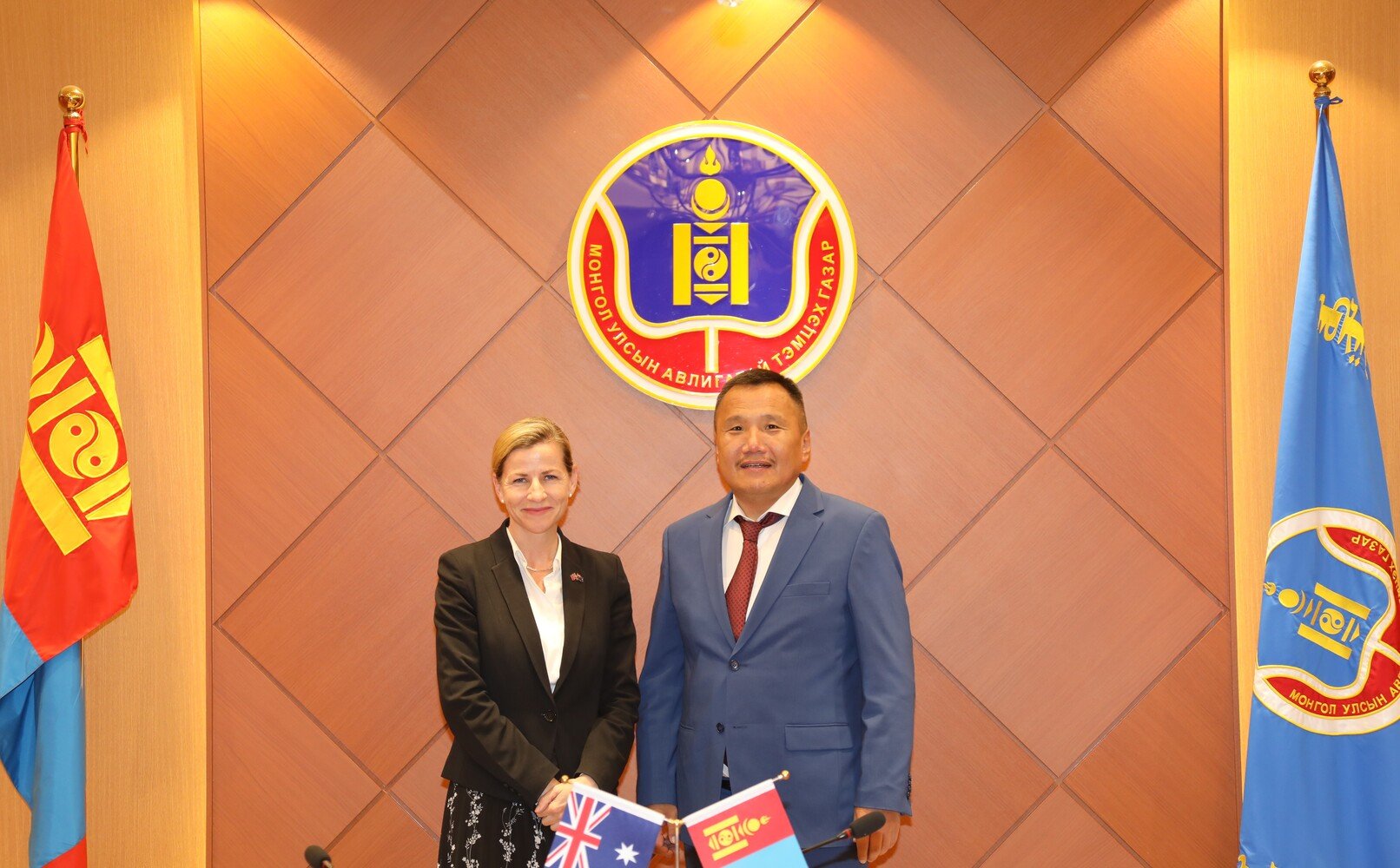
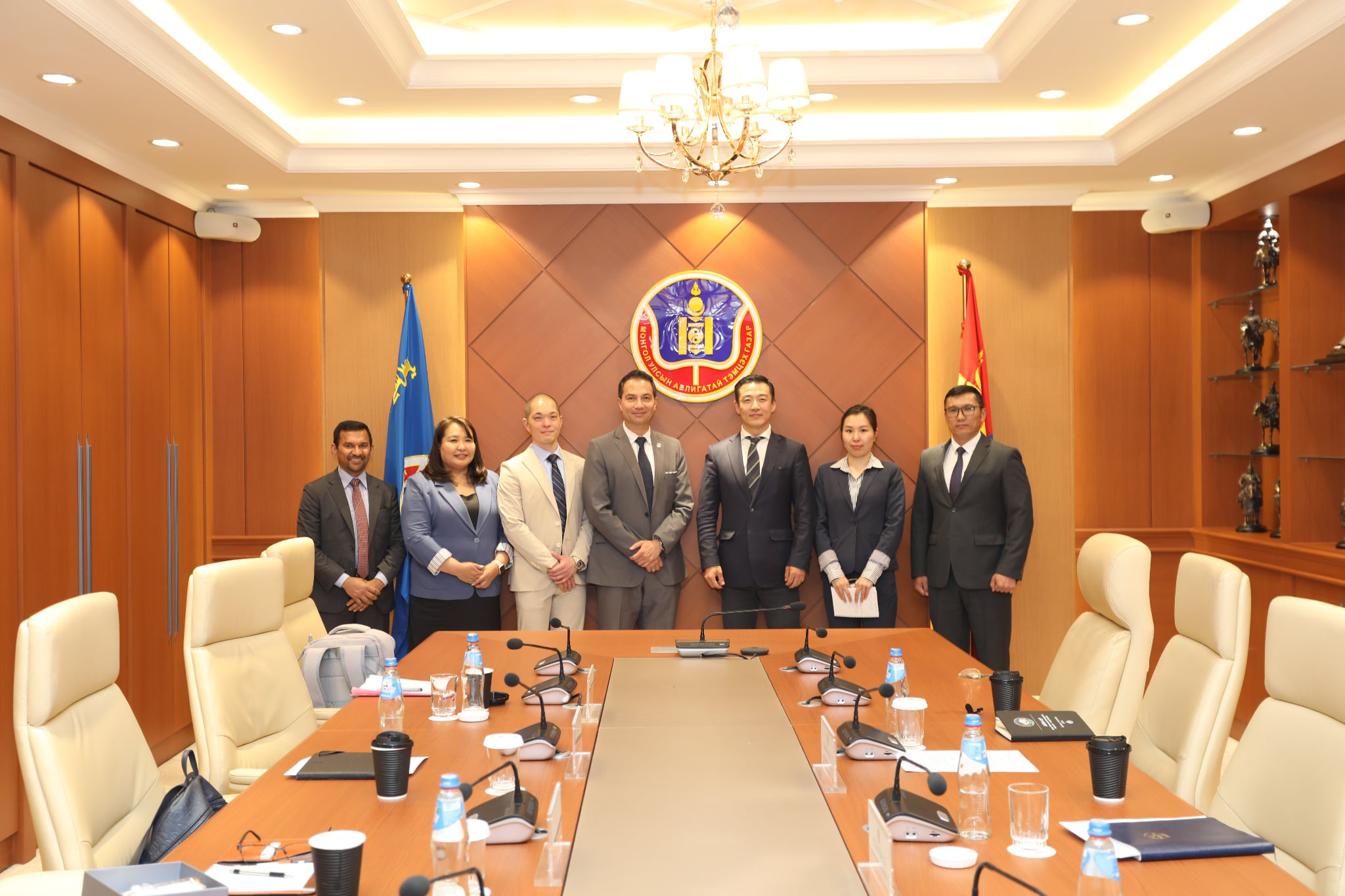
-It can perhaps best be measured by how our activities are assessed internationally and regionally by other countries and organizations. Over the years, we have received many proposals for cooperation from international organizations and specialized anti-corruption agencies around the world. In this context, we have signed memorandums of understanding with various countries. Last year, we concluded cooperation agreements with the anti-corruption agencies of Thailand and Malaysia. At present, we maintain formalized cooperation with seven countries, including Thailand, China, the Republic of Korea, Azerbaijan, Romania, Kazakhstan, and Malaysia. In addition, we cooperate effectively with international organizations such as the World Bank’s Integrity Vice Presidency, the International Anti-Corruption Academy, the International Development Law Organization, and the United Kingdom’s Serious Fraud Office by exchanging information and conducting joint investigative activities under the framework of international conventions. Another indicator of our international engagement is that Mongolia now hosts international conferences and training programs related to anti-corruption. Moreover, through international cooperation in detecting and investigating corruption crimes and tracing stolen assets abroad, we have recovered USD 13.9 million in stolen assets to Mongolia since 2017. This is a tangible result of our external cooperation efforts. Within the framework of international cooperation, we have also organized training programs on corruption investigations, evidence gathering, virtual assets, asset confiscation, and asset recovery. These trainings are not limited to IAAC officers but also include representatives from the police, intelligence agencies, court enforcement authorities, prosecutors, tax authorities, the Bank of Mongolia, the Financial Information Unit, customs, and the state registration authority. It is crucial that all institutions involved in anti-corruption efforts share the same understanding, knowledge, and professional capacity in order to successfully achieve our goals and objectives. Recently, we have also been cooperating with the Judicial General Council and the Mongolian Judges Association to strengthen judges’ expertise and capacity through anti-corruption training programs.
-Could you provide an example of a successful asset recovery operation?
-In 2021, the IAAC announced that approximately MNT 20 billion in damages caused by crimes committed through offshore schemes had been recovered. At that time, detailed information could not be disclosed because criminal investigations were still ongoing. For the first time in Mongolia’s history, stolen assets were successfully recovered from abroad. On February 28, 2022, a provincial Criminal Court considered a case involving a large-scale bribery scheme in which bribe payments had been routed through offshore jurisdictions and laundered through the purchase of a four-room apartment in central London, United Kingdom. The individual involved was a senior executive of a state-owned enterprise who, while holding public office, abused his official powers in favor of the bribe payer and concluded a high-value procurement contract. He received GBP 1,175,372—equivalent to approximately MNT 4.3 billion—in bribes through bank accounts in Latvia belonging to an offshore company established in the British Virgin Islands by an associated entity. To conceal the illicit origin of the funds, the proceeds were used to purchase a 110-square-meter apartment in central London under the name of an affiliated individual. Investigators from the IAAC of Mongolia uncovered the scheme, conducted a financial investigation, and successfully carried out an “asset recovery” operation to return the stolen assets to Mongolia. During the investigation, IAAC investigators submitted mutual legal assistance requests to Latvia and the British Virgin Islands to obtain evidence, conduct financial investigations, execute searches, and assess the actual damages caused. These efforts required considerable expertise and time, ultimately resulting in irrefutable evidence proving the suspect’s criminal conduct. The court later convicted the individual and imposed criminal sanctions.
-One of the IAAC’s key functions is to detect, investigate, freeze, confiscate, and recover illicit assets. Could you elaborate on this?
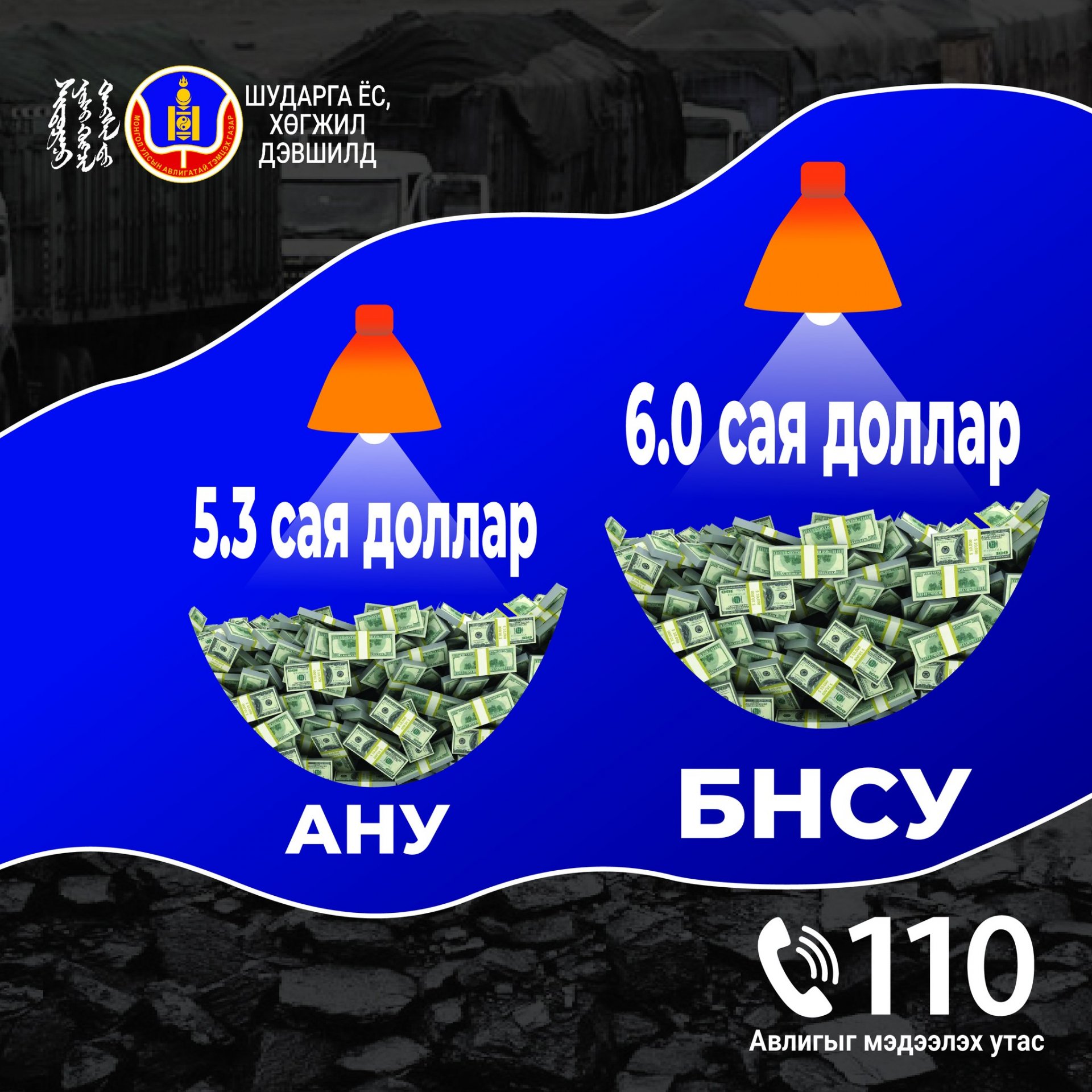
-Mongolia ratified the United Nations Convention against Corruption in 2005. The Convention provides member states with opportunities to cooperate internationally in preventing corruption and recovering assets obtained through corruption-related crimes. Under Chapter V of the Convention, which concerns asset recovery, we actively cooperate with relevant foreign authorities. During criminal investigations, we have also identified cryptocurrency assets derived from criminal activity and taken measures, through competent authorities, to restrict transactions involving accounts on platforms such as Binance. For example, in a criminal case involving citizens identified as “B” and “D,” financial investigations conducted under Articles 263.2 (abuse of official power under the former 2002 Criminal Code) and 18.2.3 (money laundering) led to the identification of real estate located on the Isle of Man in the United States. As a result, assets worth MNT 11.3 billion, or approximately USD 5.7 million, were recovered and transferred to the state treasury account managed by the Capital City Court Decision Enforcement Agency.
-How are the IAAC’s policies and activities evaluated internationally? Are there any practices recognized as good examples?
-During the two rounds of implementation reviews under the UNCAC, Mongolia was commended for making notable progress in implementing the Convention at the legal, policy, and institutional levels. First, Mongolia has progressively revised the Criminal Code, the Criminal Procedure Code, and other relevant legislation to strengthen the legal framework for combating corruption and align corruption-related offenses and sanctions with international standards. Second, under its corruption prevention policies, Mongolia adopted national programs and strategies and implemented measures to improve ethics, transparency, and accountability in public service. These reforms were positively assessed. Institutionally, the IAAC was specifically recognized for its important role in coordinating implementation of the Convention, carrying out prevention and awareness activities, conducting investigations, and strengthening the asset and income declaration system for public officials. Mongolia was also praised for introducing measures such as e-procurement systems, open budget information, and corruption risk assessments, all of which align with the Convention’s preventive requirements.
However, recommendations were made to urgently establish a legal framework for whistleblower protection, improve mechanisms for detecting, freezing, and recovering illicit assets and money laundering proceeds, strengthen institutional capacity, increase public participation, and enhance accountability systems in anti-corruption efforts.
Interviewed by G. Balgarmaa
“Udriin Sonin” Newspaper, April 23, 2026, No. 075 (7926)